
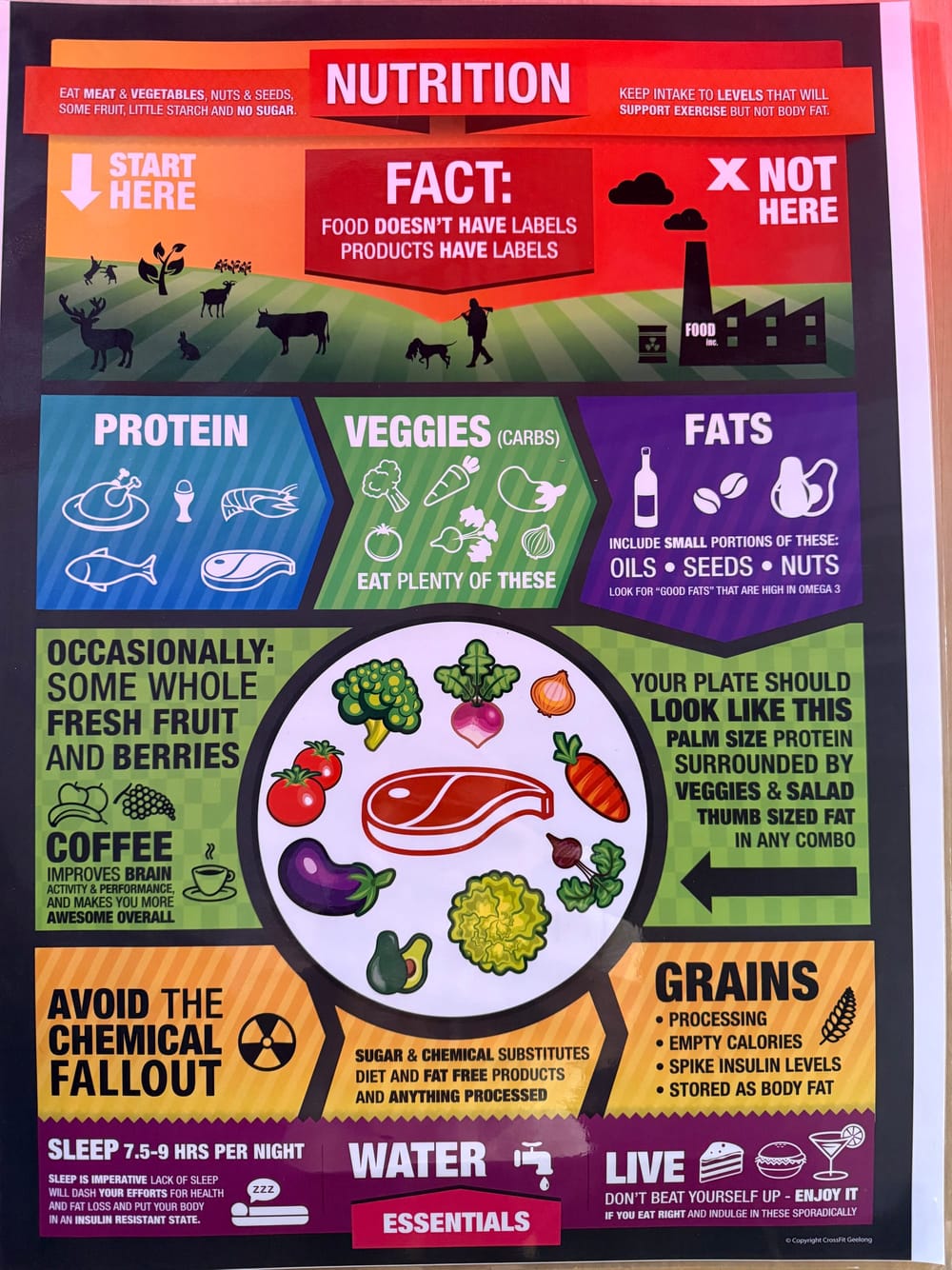
you can learn more about nutrient density, and the consequences of our industrialized farming practices on our health, through the Rodale Institute (linked below) and the Weston A Price Foundation (please only listen to their nutrition information; I do NOT recommend or subscribe to their perspectives on anything else).


why supplement?
the standard american diet (S.A.D.) is very SAD. it is full of processed foods including canned, pasteurized, industrialized, fortified "food" products that are empty of living enzymes and phytonutrients our bodies need to thrive. if your goal is to survive, by all means, eat the way everyone else does. but if your goal is to stay out of the hospital, your body is built out of what you eat day in and day out. what you put into your mouth matters!
even for people who are doing their best to eat fresh foods daily and are already hitting daily protein targets, malnutrition is common. this is because conventional farming practices are industrialized, with the goal of producing mass quantities without regard to the quality of the product produced. our soil is deficient in many nutrients, and this yields plants and animals that lack the nutrients we need. for example, to get the same nutrition
Dr. Olivia has sought the highest quality care from functional medicine physicians and was disappointed to find that even with an almost entirely whole-foods diet sourced locally, she was still not meeting intake needs with food alone. alongside that, whole food supplementation (and even some synthetic vitamins and minerals) pose very little risk and can make people feel and function much better.
the basics for (almost) everyone
I put almost every patient on the following, because nearly everyone can benefit from these.
- Creatine - monohydrate, ideally creapure brand
- Omega 3s - 2-4 grams per day
- Vitamin D - 2000 to 5000 IU per day, usually with vitamin K2 to prevent excess calcium from being deposited in the wrong places
Member discussion: