
if you just started a GLP-1, you probably have a lot of questions. this post is for my patients who are on these medications and for folks who want to learn more about them and how to maximize the use of them.
what is a GLP-1? how does it work?
GLP-1s are peptide hormones that tell your brain that you are satisfied. they affect how sugar and food are handled by your body, by changing the amount and rate at which insulin is released by your pancreas.
ultimately, these medicines slow gastric transit (the rate at which food passes through your stomach, into your intestines, and out of your body). because food stays in your stomach longer, a common side effect is nausea, vomiting, constipation, and abdominal pain. this particularly happens if you keep trying to eat the amounts of food you did before you started the medicine, or if you go to a higher dose too quickly.
I heard that compounding pharmacies aren't safe.
this depends on which compounding pharmacy you are using, and whether or not the pharmacy sends their medicines for third-party testing to ensure their products contain the type and dose that they claim.
it's important to ask the pharmacy explicitly for information about this before deciding to order medicine.
how to lose fat without losing muscle
you MUST eat adequate protein to prevent losing muscle. you MUST do weightbearing activity while losing weight. without doing both of these things consistently, you will lose body fat and skeletal muscle at the same rate. you can also lose bone density, which puts you at higher risk for fracture in the future.
you can find information about protein intake on my blog -- search "protein"! any form of weightbearing exercise counts: rucking, weight lifting, yoga.
body metrics worth tracking on your weight loss journey
you should calculate your body roundness index using the tool below. I also recommend tracking your muscle mass / fat mass with an inBody scanner.
 Olivia Mangat Dhaliwal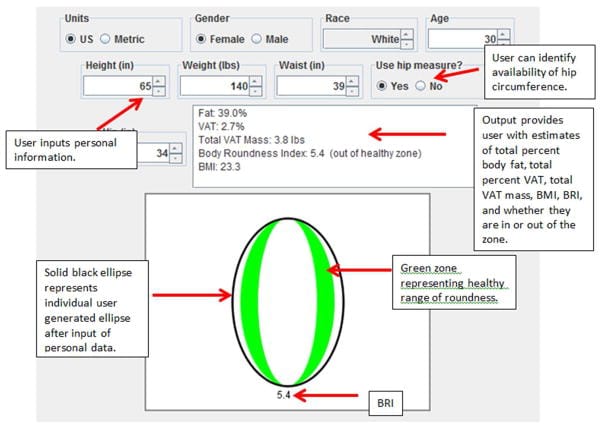
NUTRITION RESOURCES
Stealth Health - weekly mealprep recipes delivered free to your inbox! They are all freezable!
OptimizeMe Nutrition - I deeply admire EC Synkowski and her simple, elegant advice for teaching people to eat well.
Olivia Mangat Dhaliwal
Member discussion: